 EN
EN  ES
ES  HI
HI  ZH
ZH  AR
AR  RU
RU  PT
PT  FR
FR  JA
JA  ZH_HK
ZH_HK  ZH_TW
ZH_TW  HT
HT 


Sikhander St.Luce
4 days ago
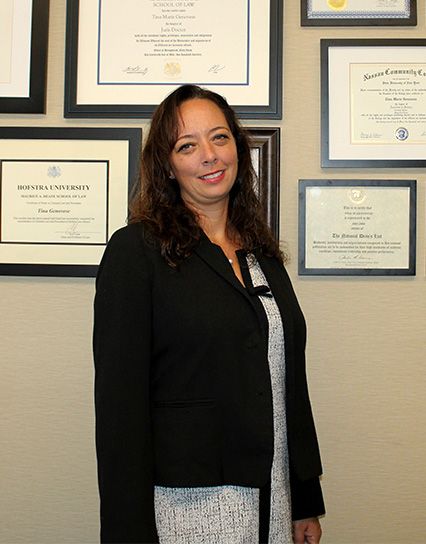
Attorney Tina Genovese-Munoz, Esq. is very knowledgeable and patient, and had excellent communication skills. I booked a consultation with her and I left the discussion enlightened with information and knowledge my pre-existing attorney didn’t provide me. I definitely recommend attorney Tina Genovese-Munoz, Esq.

Margareth Emile
2 months ago

Douly103
2 months ago
It was very awesome they took time to understand

Haseeb sekandari
2 months ago
I am very satisfied with the service I received from Transparent Justice Law Firm. Tina has been very helpful, professional, and supportive throughout my case. I appreciate her time and assistance. Thank you!”

clint hing quee
3 months ago
Tina and this law firm is the best they help me get my 601a waiver and I was able to leave go back to Trinidad and successfully get my green card ,am back in America now no problems if you going through consular processing you need a 601a waiver or any other immigration matter Tina is the best I highly recommend her

Kathy Garcia
5 months ago

Juan Ramirez
6 months ago
Tina is exceptional. She tells you the truth, guides you the right way, and makes the entire immigration process feel manageable. Her professionalism and honesty stand out. I couldn’t ask for a better lawyer. Highly recommended.

Omar Cortes
12 months ago
I’m so grateful to have hired Tina to help my father through his naturalization process. Tina took the time to explain everything clearly, always answered my father's questions, and is very knowledgeable in immigration law. Thanks to Tina’s guidance and hard work, my father's citizenship was approved, and we couldn’t be happier! Truly a power lawyer.

Aliaksandra lebedzeva
1 year ago
Highly recommend! I had to find an attorney just two weeks before my interview, and Transparent Law Firm took me in and did an amazing job preparing all the necessary documents! Thank you so much!

Daniel Escobar
1 year ago
Excellent service provided by Tina. Very organized and timely processing of our case. Highly recommended.

william jose moreno gonzalez
2 years ago

alfred dajanaj
2 years ago

Rochelle Russell
2 years ago
After finding this law firm online and reaching out to Tina, I was a bit nervous however after speaking with Tina, it was clear she was knowledgeable and offered guidance and valuable information that I needed. I would recommend this firm as their turn around time is great and I will continue to use them in the future.

Oscar Ramos
2 years ago

Travis Lynch
3 years ago
Tina Genovese is the best immigration lawyer. It was very easy to communicate with her and the portal is a great tool that she has available for her clients to upload information that may be needed. I’m speechless as to how amazing she handled my case and 100% recommend her for your immigration needs. She is a 5STAR lawyer!

Samar Gull
3 years ago

Monib Sadat
3 years ago
Recently I got my Asylum approval. My wife is in Afghanistan. I was in big problem to find a trustable and hard working lawyer. After looking too much I got lucky I found Tina with her team (Transparent justice law firm, P.C). She is working hard and the main point to share with public is her accuracy and high quality of work.
Again Tina thanks for taking care of me and my brother.

kabir brahmbhatt
3 years ago
Tina was great. She made sure to answer all the questions we had. Great service, and Tina is very talented at what she does.

T. Bell
3 years ago
Tina is such a knowledgeable and friendly person to do deal with. We fully trust her to handle all of our immigration needs!

Haris Hanif
3 years ago
Miss Tina is the best lawyer in New York genius and advance explain each and every step in detail, handle every type of situation easily, very supportive, professional highly recommend this office

Juan Carlos Fila
3 years ago
recommended very good service and very responsible people

Mirna Umana
4 years ago
great experience

Dana George
4 years ago
Tina is a professionals...professional. Her attention to detail is like no other. She is someone who actually cares about the people she works with.

brian mcgauvran
4 years ago
Service beyond expectation. Referred 2 friends to this law firm for assistance, and Tina walked them through every step of the process, with passion. I highly recommend this Law firm

Magoo inc Darrah Loop
4 years ago
Tina Genovese-Munoz, Esq. has advised us in several legal and immigration matters for Our staff as well as individual legal matters. You would be amazed to witness the advantage of using an attorney with years of diverse experience and training. Sadly, it took the experience or a few less competent attorneys to see clearly know the difference.

John Riley
4 years ago
I used Mrs. Genovese’s services and she exceeded my expectations. When ever a problem or question came up she was always readily available to answer or fix the problem. I highly recommend her she’s the best at what she does .

paki jam
4 years ago
After many years I decided to continue with my case and reached out to the TRANSPARENT JUSTICE LAW FIRM. They are absolutely 💯 percent clear and fair as their name. One thing is great I found they inform and clear the client in all matters. They are always available for their clients whenever and wherever needed it. Thanks TINA M GENOVESE for all your support and help.

Anton Rukaj
4 years ago
If you are looking for a great immigration lawyer - please, look no further! Tina is truly amazing. Not only is she extremely knowledgeable and experienced in immigration field (she took care of my cousin’s difficult case) - he doesn’t speak English. She is organized and dedicated, always available by phone or text and answers all the questions in details. She will not just collect your money and forget about your case - she will be in touch, guiding your through the whole process until full success. I am very glad we chose Tina as our lawyer and highly recommend to use her services in the future to anyone who needs an experienced lawyer in New York!.

Natalia Lewis
5 years ago
The best lawyers ever. She gets the job done and on time with everything she’s so sweet and professional. Her communication skills are A1 I’m very pleased with making Tina my lawyer 100% RECOMMEND

Andrea Bossio
6 years ago
She was very professional, and efficient. I definitely recommend seeing Tina for your immigration needs!! Best in town! This is the law firm to use.

Greg Asma
6 years ago
Quick and easy communication. Made a complicated process a lot easier to understand.