 ZH
ZH  EN
EN  ES
ES  HI
HI  AR
AR  RU
RU  PT
PT  FR
FR  JA
JA  ZH_HK
ZH_HK  ZH_TW
ZH_TW  HT
HT 
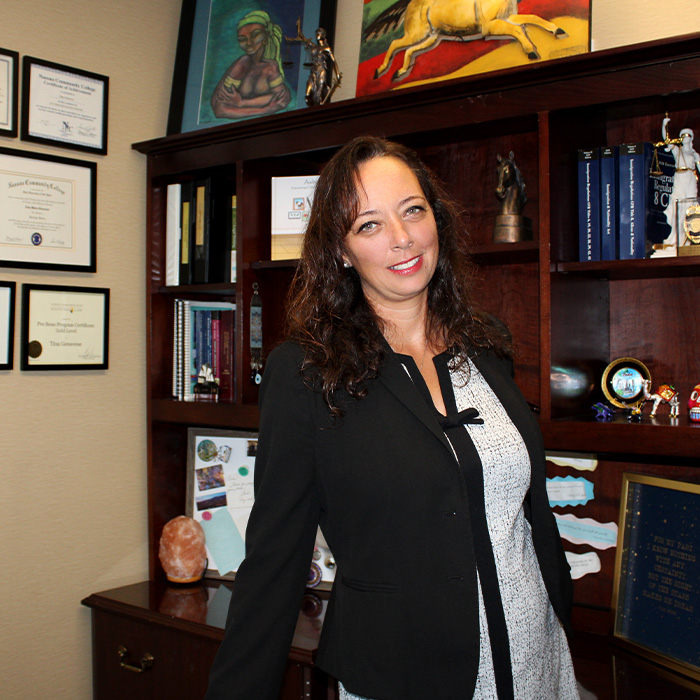


Attorney Tina Genovese-Munoz, Esq. is very knowledgeable and patient, and had excellent communication skills. I booked a consultation with her and I left the discussion enlightened with information and knowledge my pre-existing attorney didn’t provide me. I definitely recommend attorney Tina Genovese-Munoz, Esq.


Douly103
2月前
It was very awesome they took time to understand

I am very satisfied with the service I received from Transparent Justice Law Firm. Tina has been very helpful, professional, and supportive throughout my case. I appreciate her time and assistance. Thank you!”

Tina and this law firm is the best they help me get my 601a waiver and I was able to leave go back to Trinidad and successfully get my green card ,am back in America now no problems if you going through consular processing you need a 601a waiver or any other immigration matter Tina is the best I highly recommend her

Kathy Garcia
5月前

Juan Ramirez
6月前
Tina is exceptional. She tells you the truth, guides you the right way, and makes the entire immigration process feel manageable. Her professionalism and honesty stand out. I couldn’t ask for a better lawyer. Highly recommended.

Omar Cortes
12月前
I’m so grateful to have hired Tina to help my father through his naturalization process. Tina took the time to explain everything clearly, always answered my father's questions, and is very knowledgeable in immigration law. Thanks to Tina’s guidance and hard work, my father's citizenship was approved, and we couldn’t be happier! Truly a power lawyer.

Highly recommend! I had to find an attorney just two weeks before my interview, and Transparent Law Firm took me in and did an amazing job preparing all the necessary documents! Thank you so much!

Excellent service provided by Tina. Very organized and timely processing of our case. Highly recommended.


阿尔弗雷德·达贾纳伊
2年前

罗谢尔·拉塞尔
2年前
在网上找到这家律师事务所并联系 Tina 后,我有点紧张,但与 Tina 交谈后,很明显她知识渊博,并提供了我需要的指导和宝贵信息。我会推荐这家公司,因为他们的周转时间很短,我以后会继续使用它们。

奥斯卡·拉莫斯
2年前

特拉维斯·林奇
3年前
蒂娜·吉诺维斯是最好的移民律师。与她沟通非常容易,门户网站是一个很棒的工具,她可以让客户上传可能需要的信息。我对她处理我的案件的出色表现感到无语,100% 推荐她来满足您的移民需求。她是五星级律师!

萨马鸥
3年前

莫尼布·萨达特
3年前
Recently I got my Asylum approval. My wife is in Afghanistan. I was in big problem to find a trustable and hard working lawyer. After looking too much I got lucky I found Tina with her team (Transparent justice law firm, P.C). She is working hard and the main point to share with public is her accuracy and high quality of work.
Again Tina thanks for taking care of me and my brother.

卡比尔·布拉姆巴特
3年前
蒂娜很棒。她确保回答了我们提出的所有问题。服务很棒,蒂娜在她所做的事情上非常有才华。

T·贝尔
3年前
蒂娜是一个知识渊博、友善的人。我们完全相信她能够满足我们所有的移民需求!

哈里斯哈尼夫
3年前
蒂娜小姐是纽约最好的律师天才和提前解释每一个步骤,轻松处理各种情况,非常支持,专业强烈推荐这个办公室

胡安·卡洛斯·菲拉
3年前
推荐非常好的服务和非常负责任的人

米尔娜·乌马纳
4年前
很棒的经历

达纳乔治
4年前
蒂娜是专业人士……专业人士。她对细节的关注是独一无二的。她是一个真正关心与她一起工作的人的人。

布赖恩麦高夫兰
4年前
超出预期的服务。推荐了 2 位朋友到这家律师事务所寻求帮助,蒂娜热情地带领他们完成了流程的每一步。我强烈推荐这家律师事务所

Tina Genovese-Munoz,彼岸。已就我们员工的多项法律和移民事务以及个人法律事务向我们提供建议。您会惊讶地发现使用具有多年不同经验和培训的律师的优势。可悲的是,需要经验或一些不太称职的律师才能清楚地知道其中的区别。

约翰·莱利
4年前
我使用了 Genovese 夫人的服务,她超出了我的预期。每当出现问题或疑问时,她总是随时可以回答或解决问题。我强烈推荐她,她是最擅长做的事。

帕基果酱
4年前
多年后,我决定继续我的案子,并联系了透明司法律师事务所。他们的名字绝对 💯 非常清楚和公平。有一件事很棒,我发现他们在所有事情上都通知并清除了客户。无论何时何地,他们都可以随时为客户提供服务。感谢 TINA M GENOVESE 的所有支持和帮助。

安东·鲁卡伊
4年前
如果您正在寻找一位出色的移民律师 - 请不要再犹豫了!蒂娜真的很了不起。她不仅在移民领域知识渊博,经验丰富(她处理了我表弟的难题)——他不会说英语。她井井有条,敬业,随时可以通过电话或短信联系,并详细回答所有问题。她不仅会收你的钱而忘记你的案子——她会与你保持联系,指导你完成整个过程,直到完全成功。我很高兴我们选择了 Tina 作为我们的律师,并强烈建议将来在纽约需要经验丰富的律师的任何人使用她的服务!

娜塔莉亚·刘易斯
5年前
有史以来最好的律师。她完成了工作,并按时完成了她如此甜蜜和专业的一切。她的沟通技巧是 A1 我很高兴让 Tina 成为我的律师 100% RECOMMEND

安德里亚·博西奥
6年前
她非常专业,高效。我绝对建议您为您的移民需求看到蒂娜!镇上最好的!这是使用的律师事务所。

格雷格·阿斯玛
6年前
快速轻松的沟通。使复杂的过程更容易理解。