 FR
FR  EN
EN  ES
ES  HI
HI  ZH
ZH  AR
AR  RU
RU  PT
PT  JA
JA  ZH_HK
ZH_HK  ZH_TW
ZH_TW  HT
HT 


Sikhander St.Luce
il y a 3 jours
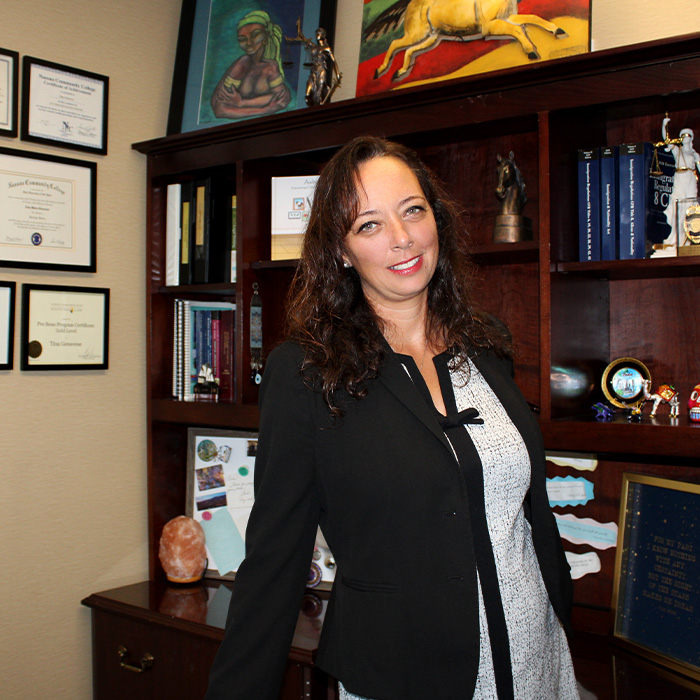
Attorney Tina Genovese-Munoz, Esq. is very knowledgeable and patient, and had excellent communication skills. I booked a consultation with her and I left the discussion enlightened with information and knowledge my pre-existing attorney didn’t provide me. I definitely recommend attorney Tina Genovese-Munoz, Esq.

Margareth Emile
il y a 2 mois

Douly103
il y a 2 mois
It was very awesome they took time to understand

Haseeb sekandari
il y a 2 mois
I am very satisfied with the service I received from Transparent Justice Law Firm. Tina has been very helpful, professional, and supportive throughout my case. I appreciate her time and assistance. Thank you!”

clint hing quee
il y a 3 mois
Tina and this law firm is the best they help me get my 601a waiver and I was able to leave go back to Trinidad and successfully get my green card ,am back in America now no problems if you going through consular processing you need a 601a waiver or any other immigration matter Tina is the best I highly recommend her

Kathy Garcia
il y a 5 mois

Juan Ramirez
il y a 6 mois
Tina is exceptional. She tells you the truth, guides you the right way, and makes the entire immigration process feel manageable. Her professionalism and honesty stand out. I couldn’t ask for a better lawyer. Highly recommended.

Omar Cortes
il y a 12 mois
I’m so grateful to have hired Tina to help my father through his naturalization process. Tina took the time to explain everything clearly, always answered my father's questions, and is very knowledgeable in immigration law. Thanks to Tina’s guidance and hard work, my father's citizenship was approved, and we couldn’t be happier! Truly a power lawyer.

Aliaksandra lebedzeva
il y a 1 an
Highly recommend! I had to find an attorney just two weeks before my interview, and Transparent Law Firm took me in and did an amazing job preparing all the necessary documents! Thank you so much!

Daniel Escobar
il y a 1 an
Excellent service provided by Tina. Very organized and timely processing of our case. Highly recommended.

William José Moreno Gonzalez
il y a 2 ans

Alfred Dajanaj
il y a 2 ans

Rochelle Russell
il y a 2 ans
Après avoir trouvé ce cabinet d'avocats en ligne et contacté Tina, j'étais un peu nerveux, mais après avoir parlé avec Tina, il était clair qu'elle était bien informée et m'offrait les conseils et les informations précieuses dont j'avais besoin. Je recommanderais cette entreprise car son délai d'exécution est excellent et je continuerai à faire appel à elle à l'avenir.

Oscar Ramos
il y a 2 ans

Travis Lynch
il y a 3 ans
Tina Genovese est la meilleure avocate spécialisée en immigration. Il a été très facile de communiquer avec elle et le portail est un excellent outil dont elle dispose pour que ses clients puissent télécharger les informations dont ils peuvent avoir besoin. Je suis sans voix quant à la façon dont elle a traité mon cas et 100% la recommande pour vos besoins en matière d'immigration. C'est une avocate 5ÉTOILES !

Mouette Samar
il y a 3 ans

Monib Sadate
il y a 3 ans
Recently I got my Asylum approval. My wife is in Afghanistan. I was in big problem to find a trustable and hard working lawyer. After looking too much I got lucky I found Tina with her team (Transparent justice law firm, P.C). She is working hard and the main point to share with public is her accuracy and high quality of work.
Again Tina thanks for taking care of me and my brother.

Kabir Brahmbhatt
il y a 3 ans
Tina était super. Elle s'est assurée de répondre à toutes les questions que nous avions. Excellent service et Tina est très talentueuse dans ce qu'elle fait.

T.Bell
il y a 3 ans
Tina est une personne tellement compétente et sympathique avec qui traiter. Nous lui faisons entièrement confiance pour gérer tous nos besoins d'immigration!

Haris Hanif
il y a 3 ans
Mlle Tina est la meilleure avocate de New York, le génie et l'avance expliquent chaque étape en détail, gèrent facilement chaque type de situation, très favorable, les professionnels recommandent vivement ce bureau

Juan Carlos Fila
il y a 3 ans
recommandé très bon service et personnes très responsables

Mirna Oumana
il y a 4 ans
belle expérience

Dana Georges
il y a 4 ans
Tina est une professionnelle... professionnelle. Son souci du détail ne ressemble à aucun autre. C'est quelqu'un qui se soucie réellement des gens avec qui elle travaille.

brian mcgauvran
il y a 4 ans
Service au-delà des attentes. A référé 2 amis à ce cabinet d'avocats pour obtenir de l'aide, et Tina les a guidés à chaque étape du processus, avec passion. Je recommande vivement ce cabinet d'avocats

Magoo inc Darrah Loop
il y a 4 ans
Tina Genovese-Munoz, Esq. nous a conseillé sur plusieurs questions juridiques et d'immigration pour notre personnel ainsi que sur des questions juridiques individuelles. Vous seriez étonné de constater l'avantage d'utiliser un avocat avec des années d'expérience et de formation diversifiées. Malheureusement, il a fallu l'expérience ou quelques avocats moins compétents pour voir clairement la différence.

Jean Riley
il y a 4 ans
J'ai utilisé les services de Mme Genovese et elle a dépassé mes attentes. Chaque fois qu'un problème ou une question survenait, elle était toujours disponible pour répondre ou résoudre le problème. Je la recommande vivement, elle est la meilleure dans ce qu'elle fait.

confiture de paki
il y a 4 ans
Après de nombreuses années, j'ai décidé de poursuivre mon affaire et j'ai contacté le CABINET D'AVOCATS TRANSPARENT JUSTICE. Ils sont absolument 💯 pour cent clairs et justes comme leur nom. Une chose est géniale, j'ai trouvé qu'ils informaient et clarifiaient le client dans tous les domaines. Ils sont toujours disponibles pour leurs clients quand et où ils en ont besoin. Merci TINA M GENOVESE pour tout votre soutien et votre aide.

Anton Rukaj
il y a 4 ans
Si vous êtes à la recherche d'un excellent avocat spécialiste de l'immigration, ne cherchez pas plus loin ! Tina est vraiment incroyable. Non seulement elle est extrêmement compétente et expérimentée dans le domaine de l'immigration (elle s'est occupée du cas difficile de mon cousin), mais il ne parle pas anglais. Elle est organisée et dévouée, toujours disponible par téléphone ou texto et répond à toutes les questions en détail. Elle ne se contentera pas de collecter votre argent et d'oublier votre cas - elle sera en contact, vous guidant tout au long du processus jusqu'au succès total. Je suis très heureux que nous ayons choisi Tina comme avocate et je recommande vivement d'utiliser ses services à l'avenir à tous ceux qui ont besoin d'un avocat expérimenté à New York !.

Natalia Lewis
il y a 5 ans
Les meilleurs avocats de tous les temps. Elle fait le travail et à temps avec tout ce qu'elle est si douce et professionnelle. Ses compétences en communication sont A1 Je suis très heureux de faire de Tina mon avocat 100% RECOMMANDER

Andréa Bossio
il y a 6 ans
Elle a été très professionnelle et efficace. Je recommande vivement de voir Tina pour vos besoins d'immigration !! Meilleur en ville! C'est le cabinet d'avocats à utiliser.

Greg Asma
il y a 6 ans
Communication rapide et facile. Rendu un processus compliqué beaucoup plus facile à comprendre.